 BizQRAI
How do AI features in bookkeeping tools actually help?
What the AI features do
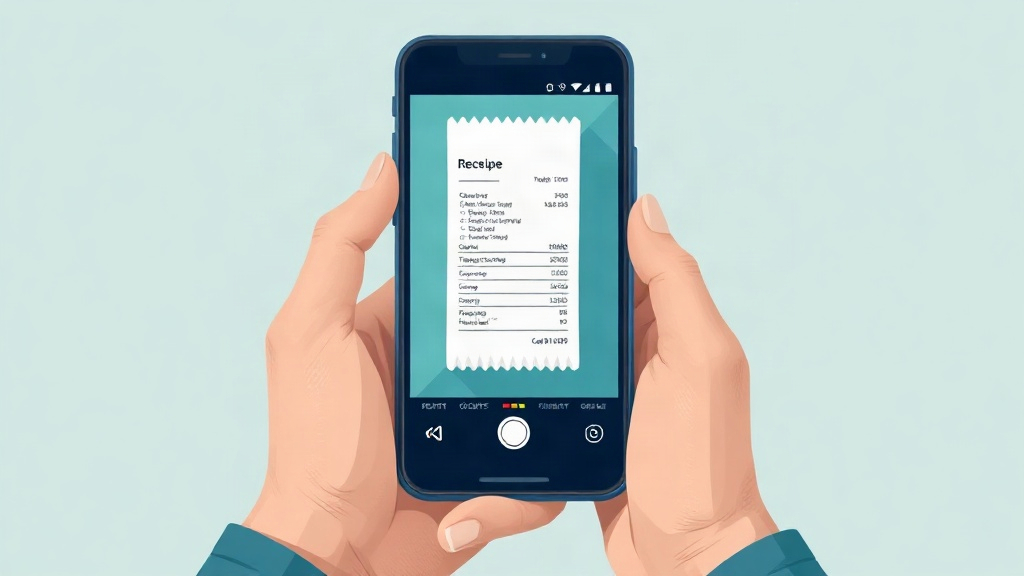
Modern bookkeeping tools use automation, some of it described as AI, to reduce manual data entry. Common features include reading a photographed receipt and pulling out the amount and date, suggesting a category for a transaction based on past entries, and matching payments to invoices. The aim is to cut the repetitive typing that makes bookkeeping tedious.
Where it helps
- Capturing receipts without typing each line by hand.
- Suggesting categories so similar transactions are coded consistently.
- Flagging likely matches between payments and invoices for you to confirm.
Why a person still reviews
These features speed up the work, but they make mistakes. A receipt can be misread, and a suggested category can be wrong, especially for an unusual transaction. Because the books feed decisions and, in many places, tax filings, the suggestions are best treated as a draft that a person reviews rather than a final answer. Reviewing categorizations regularly, rather than letting months pile up, keeps small errors from compounding. For anything about tax, treatment of specific expenses, or compliance, confirm with a qualified accountant, since those rules vary by place and situation and are outside what a tool or a general guide can decide.
Common questions
Can I trust automatic transaction categories?
Does AI bookkeeping replace an accountant?
How often should I review the books?
This article is general educational information, not legal, financial or business advice. Tools, apps and prices change quickly, so verify current details and check important output before relying on it.
← All guides