 BizQRAI
What is the difference between a static and a dynamic QR code?
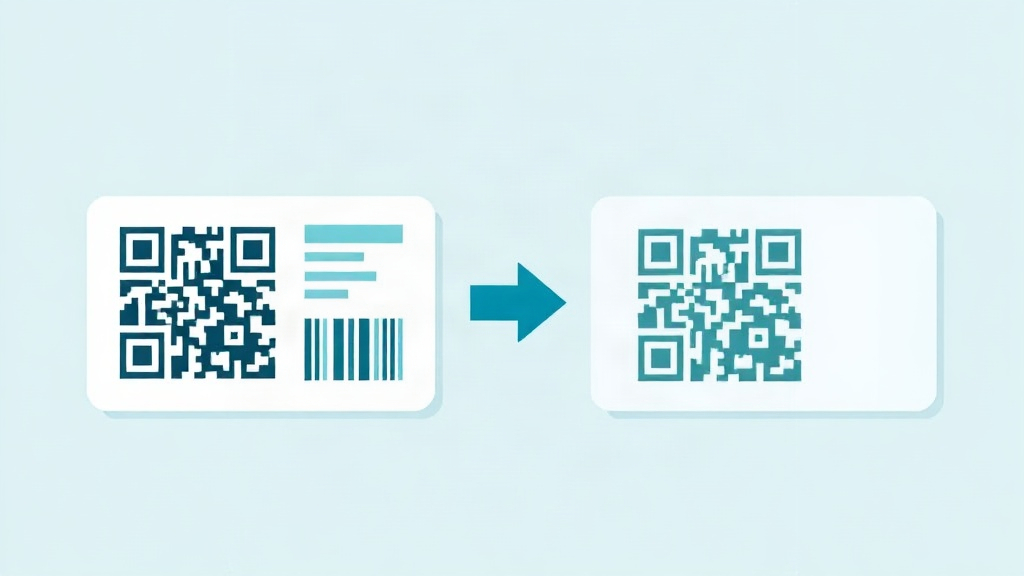
Two kinds of code
A static QR code has the destination encoded directly into the pattern. The address lives inside the code itself. A dynamic QR code instead encodes a short redirect link that points to a destination you set in a provider dashboard, which then forwards the visitor to the real address.
What changes between them
- Editing after printing. A static code cannot be changed once printed. A dynamic code can, because you update the destination in the dashboard while the printed code stays the same.
- Tracking. A static code has no built in tracking, though the destination page can still have its own analytics. A dynamic code usually records scans because every scan passes through the redirect.
- Dependence. A static code works forever as long as the destination exists, with nothing in between. A dynamic code depends on the provider staying online and your account staying active, because the redirect lives with them.
How to choose
Use a static code when the destination will not change and you want no ongoing dependency, such as a link to a page you control that is unlikely to move. Use a dynamic code when you need to update the destination later or want built in scan tracking, and you accept depending on a provider. For anything printed in large quantities or meant to last years, weigh that dependency carefully, since a lapsed dynamic provider turns every printed code into a dead end.
Common questions
Can a static code be edited after printing?
Does a dynamic code stop working if the provider shuts down?
Which one gives me scan tracking?
This article is general educational information, not legal, financial or business advice. Tools, apps and prices change quickly, so verify current details and check important output before relying on it.
← All guides